
Spices do much more than add heat or colour to food. They build aroma, give familiar dishes their character and can turn a simple dal, sabzi or curry into something memorable. Yet one everyday question often causes confusion while shopping or cooking: should you buy whole spices or ground spices? The practical answer depends on what you cook, how often you cook and how much time you have.
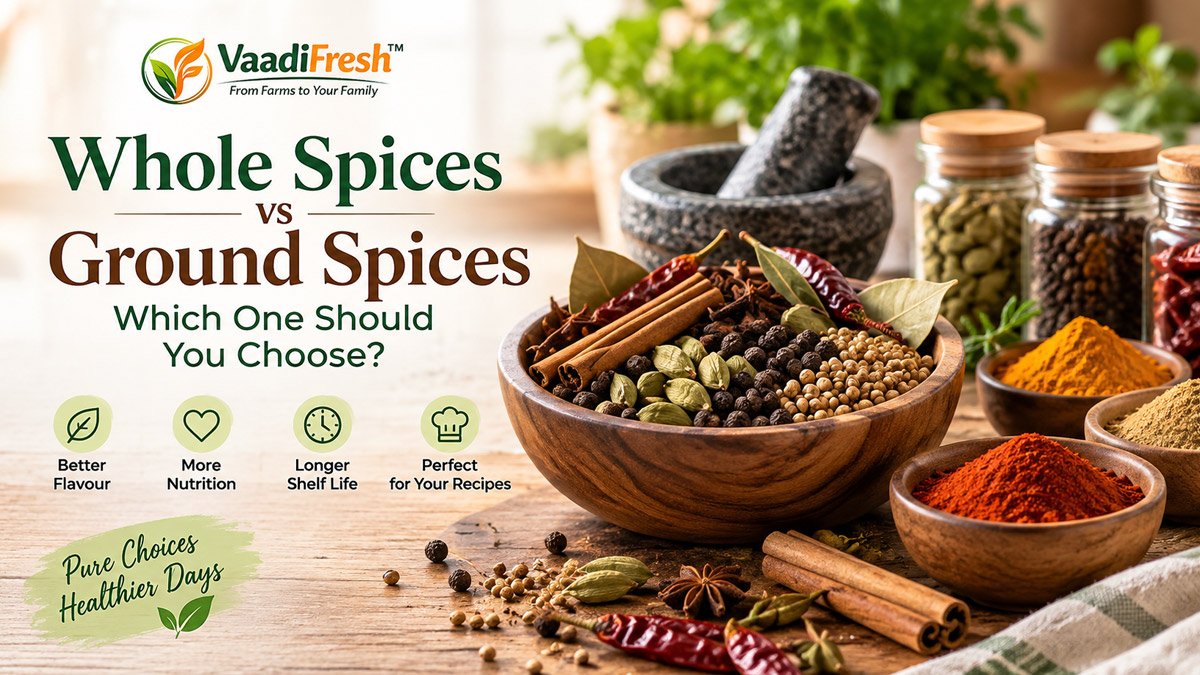
Whole spices and ground spices can both have a useful place in an Indian kitchen. Whole spices are valued for their longer-lasting aroma and for the control they offer when you roast or grind them fresh. Ground spices are convenient, quick to measure and especially useful for everyday cooking. This guide compares Whole Spices vs Ground Spices in a simple, practical way, so you can choose with confidence instead of treating one format as automatically better than the other.
Quick Answer: Whole Spices vs Ground Spices
Choose whole spices when you want stronger aroma, a longer storage life and the option to freshly grind small batches. Choose ground spices when convenience, speed and easy mixing are more important for your regular recipes. For many homes, the best solution is a combination: keep frequently used powders in small quantities and store key whole spices such as cumin, coriander, black pepper, cloves, cinnamon and cardamom for fresh flavour when a recipe needs it.
Quick Tips Before You Buy
- Buy whole spices in quantities you can use within a reasonable time.
- Choose smaller packs of ground spices if your household uses them slowly.
- Keep both forms away from heat, direct sunlight and moisture.
- Use a clean, dry spoon for spice powders to avoid clumping and contamination.
- Smell whole spices before use; a clear natural aroma is usually a useful freshness sign.
- Do not assume darker colour alone means better quality or stronger flavour.
Why the Difference Matters in Everyday Cooking
The form of a spice affects how it behaves in food. A whole spice has its natural oils more protected inside its structure. When it is roasted, crushed or ground, those aromatic oils are released. A ground spice has already been broken down, so it disperses quickly through gravies, marinades and dry preparations. That speed is convenient, but the exposed surface also means its aroma can gradually reduce sooner if it is stored for too long.
This does not mean every dish needs freshly ground spices. A busy weekday meal may be better served by ready-to-use turmeric, chilli and coriander powder. On the other hand, a fresh grind of roasted cumin and coriander can noticeably lift a masala, chutney or special curry. Understanding the difference helps you use each format where it makes the most sense.
What Are Whole Spices?
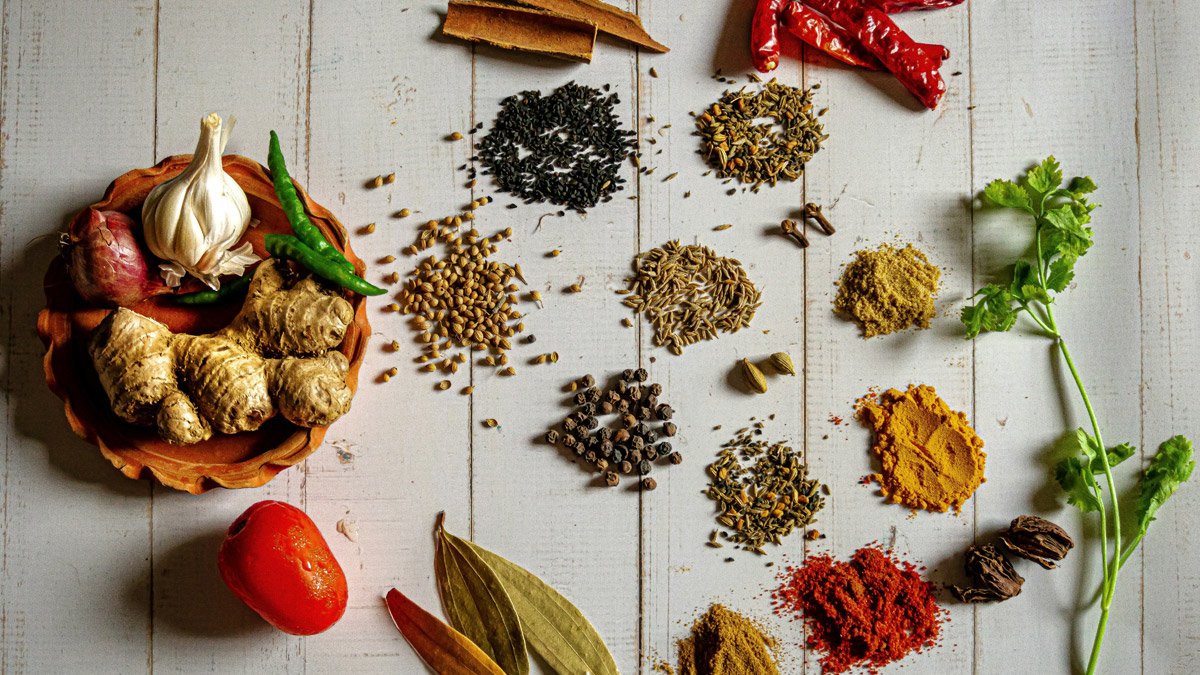
Whole spices are spices kept in their natural or near-natural form. Examples include cumin seeds, coriander seeds, mustard seeds, fennel seeds, black peppercorns, cloves, cinnamon sticks, green cardamom and bay leaves. They may be used directly in tempering, lightly crushed, dry-roasted or ground just before cooking.
Benefits of whole spices
Whole spices are especially useful for cooks who enjoy building flavour in stages. When cumin or mustard seeds are added to hot oil, for example, they release aroma into the tempering. Whole spices also give you flexibility: coriander seeds can be used in a pickle masala, crushed for a curry or freshly ground for a powder. Because their flavour is generally protected for longer than a pre-ground version, they are a sensible choice for spices you use less often.
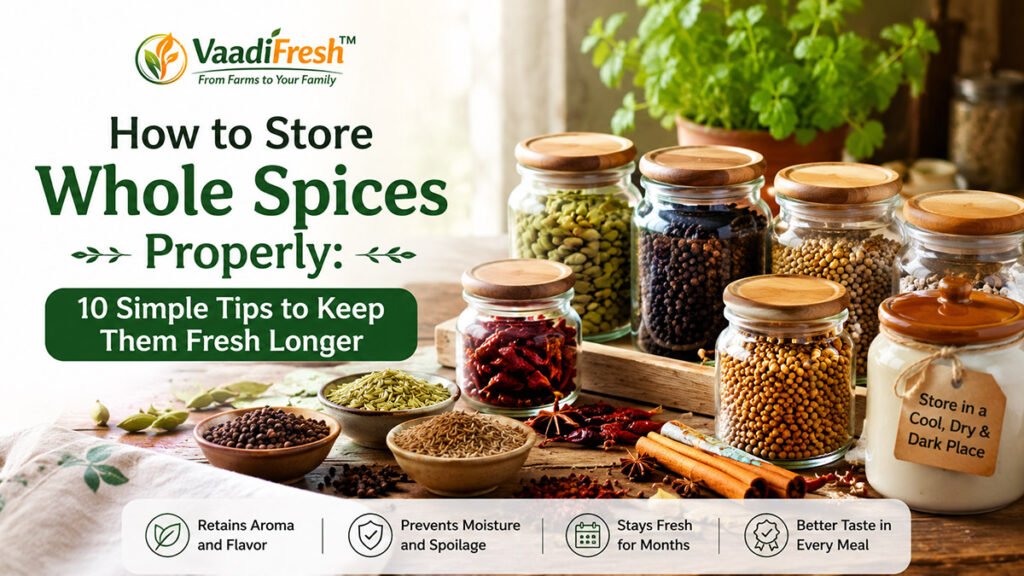
If you are learning how to keep them in good condition, read our guide on How to Store Whole Spices Properly: 10 Simple Tips to Keep Them Fresh Longer. Proper storage is just as important as the format you select.
What Are Ground Spices?
Ground spices are spices that have been milled into powder. Common examples include turmeric powder, red chilli powder, coriander powder, cumin powder and garam masala. They are easy to measure, blend smoothly into food and save preparation time. In many Indian kitchens, they are the starting point for everyday sabzis, dals, curries, snacks and marinades.
Benefits of ground spices
The biggest advantage is convenience. You can add measured amounts directly to a dish without roasting or grinding first. Powders also distribute evenly, which is useful when you want a consistent flavour in a large batch of curry, a marinade or a dry masala. For beginners, ground spices can make recipe-following easier because quantity is simple to control.
However, freshness matters. Ground spices should have a clean, characteristic aroma rather than a stale, dusty or musty smell. Before buying any spice format, it helps to know the basic quality checks described in How to Identify Pure & Premium Quality Spices Before Buying.
Whole Spices vs Ground Spices: Flavour and Aroma
Freshness is usually where whole spices have an advantage. Their essential oils are less exposed to air, so they can retain their character for longer when stored correctly. Grinding a small amount just before cooking releases a bright aroma that is difficult for an older powder to match. Dry-roasting whole cumin, coriander or pepper briefly before grinding can add depth, but keep the heat moderate: burning spices creates bitterness rather than better flavour.
Ground spices are not flavourless; a fresh, well-stored powder can work beautifully. The key is to buy sensible quantities and use them regularly. For recipes that need a smooth, even masala base, powder is often the more practical choice. Think of whole spices as a tool for freshness and layered flavour, and powders as a tool for speed and consistency.
Shelf Life and Storage Comparison
Whole spices generally stay aromatic longer than ground spices because less surface area is exposed. Still, neither form stays at peak quality forever. Heat, humidity, light and repeated contact with a wet spoon can reduce quality quickly. Store spices in tightly closed, food-safe containers in a cool, dry cupboard away from the stove if possible.
For ground spices, buying a large pack only because it costs less can be false economy if a portion loses its aroma before you use it. Smaller packs may give better value for a small family or for spices used only occasionally. Marking the purchase date on the container is a simple habit that helps you rotate stock. If the scent becomes faint and the powder no longer adds the expected flavour, it may be time to replace it.
Convenience, Control and Cost
Ground spices save time. They are ideal when you need to cook quickly or prepare food in consistent quantities. Whole spices take a little more work, particularly if you need to roast and grind them. A small mixer, spice grinder or mortar and pestle can make this easier, but it is still an extra step.
Whole spices give more control over texture and intensity. You can decide whether to use them whole for tempering, crush them coarsely for a rustic finish or grind them fine for a masala. Cost should be compared by usable value, not only the pack price. A whole spice that stays fragrant and is used across multiple recipes can be worthwhile. A powder that saves twenty minutes on a busy day can be equally worthwhile. Choose based on how your kitchen actually works.
Comparison Table: Whole Spices vs Ground Spices
| Factor | Whole Spices | Ground Spices |
|---|---|---|
| Freshness retention | Usually retains aroma longer when stored well | Can lose aroma sooner because more surface is exposed |
| Preparation time | May need roasting, crushing or grinding | Ready to measure and use |
| Best for | Tempering, fresh masalas, special dishes and slower use | Everyday curries, marinades, quick meals and even blending |
| Flavour control | High; you choose when and how finely to grind | Consistent but less flexible once purchased |
| Storage approach | Airtight container in a cool, dry place | Airtight container; buy smaller quantities when use is slow |
| Kitchen convenience | Requires a little more effort | Very convenient for regular cooking |
Which Format Is Better for Different Recipes?
For tempering and tadka
Whole spices are usually the natural choice. Cumin, mustard, fennel, fenugreek, dried red chillies and curry leaves are added to hot oil or ghee to infuse flavour. Use moderate heat and add spices in a sequence that prevents smaller ingredients from burning.
For gravies and everyday sabzis
Ground spices are often more practical because they mix evenly into onion-tomato bases and cook quickly. Coriander powder, turmeric and chilli powder are kitchen staples for this reason. Add them with a little water or alongside the masala base when needed, rather than scorching them in very hot dry oil.
For fresh masala blends
Whole spices are the better starting point. A small batch of roasted, freshly ground cumin, coriander, pepper and cardamom can bring a distinctive aroma to pulao, chole, paneer dishes or festive food. Make only what you will use soon for the best result.
For baking, snacks and dry mixes
Ground spices are usually easier to distribute evenly in besan chilla batter, spice mixes, seasoning blends and baking recipes. If you also buy pantry staples such as gram flour, our How to Identify 100% Pure Besan Before Buying guide can help you make more informed everyday purchases.
Practical Tips for Using Both
- Keep a small everyday set of ground spices: turmeric, chilli, coriander and cumin powder.
- Keep a core set of whole spices for tempering and fresh grinding: cumin, coriander, pepper, cloves, cinnamon and cardamom.
- Grind only small batches of spices that you use occasionally.
- Use clean, dry jars and avoid keeping open containers near steam from the stove.
- Check aroma before adding an old powder to an important dish.
- For a new recipe, start with a modest amount; you can adjust seasoning, but it is hard to correct an overly strong masala.
Expert Tips for Better Spice Flavour
First, treat heat with care. Whole spices bloom well in warm oil, but high heat can burn pepper, cumin and cloves in seconds. Second, dry-roast only until the aroma becomes noticeable; a darker colour is not the goal. Third, let roasted spices cool before grinding so steam does not create moisture inside the grinder or container.
For ground spices, add a splash of water to the masala if it starts sticking or cooking too aggressively. This gives powders time to cook without burning. Finally, keep your spice storage simple and visible. A cupboard full of large, forgotten packs is less useful than a small, well-rotated collection that you recognise and use confidently.
Common Mistakes to Avoid
- Buying oversized packets of ground spice for occasional use.
- Keeping spices in transparent jars in direct sunlight.
- Adding whole spices to smoking-hot oil and letting them burn.
- Grinding a large amount of whole spice and storing it for too long.
- Using a wet spoon in powdered spices.
- Relying only on colour while ignoring aroma, texture and packaging condition.
- Assuming a recipe needs every spice in powder form or every spice in whole form.
Key Takeaways
- Whole spices are generally better for longer-lasting aroma and freshly prepared flavour.
- Ground spices are better for speed, easy measurement and consistent everyday cooking.
- A balanced pantry with both forms is the most practical option for most households.
- Good storage and sensible pack sizes have a major effect on flavour and value.
- Use the format that suits the recipe, your routine and how quickly you will use it.
Frequently Asked Questions
Are whole spices always better than ground spices?
No. Whole spices often retain aroma longer, but ground spices are extremely useful for quick meals and recipes that need even blending. “Better” depends on the dish and your cooking routine.
Can I grind whole spices at home?
Yes. You can use a spice grinder, mixer jar or mortar and pestle. For a fuller aroma, lightly dry-roast suitable spices first, cool them completely and then grind a small batch.
How much ground spice equals a whole spice?
There is no single conversion because spices differ in size and strength. It is best to use the recipe as a guide and adjust gradually. Freshly ground spice may taste more intense than an older powder.
How do I know if a ground spice is no longer fresh?
A weak or stale smell, loss of its normal character and poor flavour in food are useful signs. It may still look acceptable, so aroma is often a better check than colour alone.
About VaadiFresh
VaadiFresh is focused on making everyday food shopping more informed and practical. We share clear buying and storage guidance for spices, besan and other agricultural food products, helping customers choose products that suit their cooking needs. Our aim is simple: useful information, thoughtful sourcing and dependable everyday kitchen essentials.
Need Help Choosing Quality Spices?
Whether you prefer whole spices for fresh grinding or convenient ground spices for daily cooking, choosing the right pack starts with your recipe, usage and storage habits. Explore VaadiFresh spice options or contact us for help selecting suitable spices for retail, home or bulk requirements.