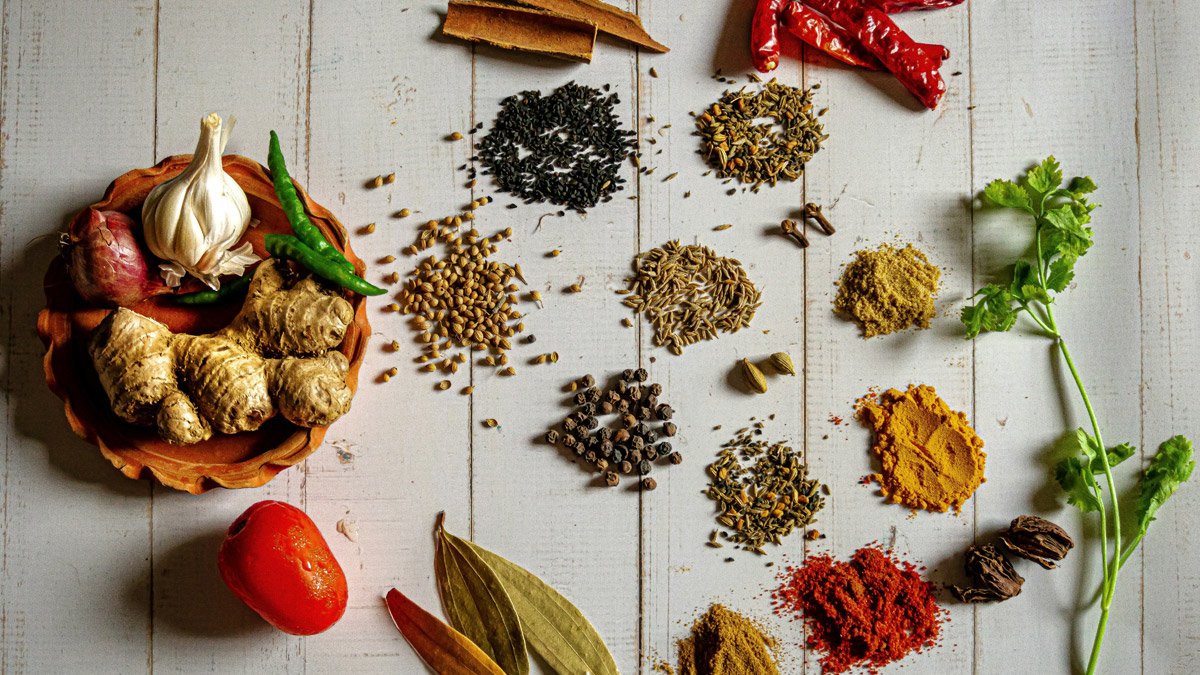

Indian spices have been an essential part of everyday cooking for generations. Beyond adding aroma, colour, and flavour to meals, many commonly used spices are valued for their natural properties and traditional culinary uses. From turmeric and cumin to coriander and fennel, these kitchen staples have earned a special place in Indian households.
While spices should never be viewed as medicines, including a variety of quality whole spices in your daily cooking can be part of a balanced and enjoyable diet. Understanding their traditional uses and practical benefits also helps you make better buying decisions.
In this guide, you’ll learn about some of the most commonly used Indian spices, their everyday benefits, practical kitchen uses, and simple tips for choosing and storing them properly.
Quick Answer
Everyday Indian spices such as turmeric, cumin, coriander, fennel, fenugreek, black pepper, and cinnamon are widely used for their rich flavour, natural aroma, and traditional culinary value. When used as part of a balanced diet, quality spices can enhance both the taste and overall cooking experience.
Quick Tips
- Choose whole spices whenever possible for better freshness and aroma.
- Store spices in airtight containers away from heat and moisture.
- Grind whole spices only when required for maximum flavour.
- Buy from trusted brands with clear packaging and product information.
- Use spices in moderation as part of a balanced diet.
- For more information on spice safety and adulteration, see the official FSSAI guidance on safe ground spices.
Why Indian Spices Are an Important Part of Everyday Cooking
Indian cuisine is known around the world for its rich use of spices. Every region has its own unique combinations, but the purpose remains the same—creating delicious meals with natural ingredients.
Many Indian spices are appreciated not only for their flavour but also for their traditional culinary significance. They add depth to recipes, improve aroma, and help create balanced flavours in everyday dishes.
Choosing fresh, high-quality spices and storing them correctly helps preserve their natural aroma and cooking quality. If you’d like to learn more about proper storage, read our guide on How to Store Whole Spices Properly.
Turmeric (Haldi)
Turmeric is one of the most widely used spices in Indian kitchens. Its bright golden colour and earthy flavour make it an important ingredient in curries, vegetables, rice dishes, and traditional recipes.
Traditional Culinary Importance
Turmeric has been used in Indian cooking for centuries. It is commonly included in everyday meals because of its colour, flavour, and long-standing place in traditional food preparation.
Practical Kitchen Uses
- Vegetable curries
- Dal preparations
- Rice dishes
- Marinades
- Traditional beverages
Buying Tips
- Choose turmeric with a bright natural yellow colour.
- Look for a pleasant earthy aroma.
- Purchase from trusted brands with proper packaging.
- Avoid products that appear excessively dull or have an unusual smell.
Cumin (Jeera)
Cumin is another essential spice found in almost every Indian kitchen. Its warm, earthy flavour makes it suitable for tempering, spice blends, curries, soups, and rice dishes.
Traditional Culinary Importance
Cumin has traditionally been valued for its distinctive aroma and versatility in Indian cooking. It pairs well with a wide variety of vegetables, lentils, and grains.
Practical Kitchen Uses
- Tadka for dals
- Vegetable curries
- Rice preparations
- Spice blends
- Buttermilk and traditional beverages
Buying Tips
- Select seeds with a strong natural aroma.
- The seeds should be uniform in size and colour.
- Avoid broken, dusty, or excessively dry seeds.
- Buying whole cumin usually helps retain freshness for longer.
If you’re unsure how to identify premium-quality spices before buying, explore our guide on How to Identify Pure & Premium Quality Spices Before Buying.
Coriander (Dhania)
Coriander seeds have a mild citrus-like aroma and are widely used in Indian cooking. They are commonly included in spice blends, curries, pickles, and roasted masalas.
Traditional Culinary Importance
Coriander has long been appreciated for balancing flavours in everyday recipes. It combines well with cumin, fennel, turmeric, and several other spices.
Practical Kitchen Uses
- Homemade spice powders
- Vegetable dishes
- Pickles
- Dry masalas
- Traditional curry preparations
Buying Tips
- Look for clean, round seeds with a pleasant aroma.
- Avoid excessive dust or broken seeds.
- Choose products packed in properly sealed packaging.
- Whole coriander generally retains its aroma longer than ground coriander.
Fennel (Saunf)
Fennel seeds are recognised for their naturally sweet aroma and refreshing flavour. They are commonly used in Indian cooking as well as after meals.
Traditional Culinary Importance
Fennel is widely used in spice blends, curries, desserts, beverages, and mouth fresheners. Its pleasant flavour makes it a popular kitchen ingredient.
Practical Kitchen Uses
- Masala blends
- Traditional sweets
- Tea and herbal infusions
- Pickles
- Mouth fresheners
Buying Tips
- Select bright green seeds with a naturally sweet aroma.
- Avoid faded or excessively dry-looking seeds.
- Store fennel in airtight containers to preserve freshness.
- Whole fennel usually maintains its flavour better than pre-ground products.
Fenugreek (Methi)
Fenugreek seeds are well known for their slightly bitter taste and distinctive aroma. They are commonly used in Indian households for tempering, pickles, spice blends, and traditional recipes. When used in the right quantity, fenugreek adds depth and balance to many dishes.
Traditional Culinary Importance
Fenugreek has been a part of Indian cooking for generations. It is often combined with other spices to create balanced flavours in regional cuisines.
Practical Kitchen Uses
- Vegetable curries
- Pickles
- Spice blends
- Tempering for dals
- Traditional regional recipes
Buying Tips
- Choose clean, golden-brown seeds.
- Avoid seeds that appear dull, broken, or excessively dusty.
- Check for a fresh, slightly bitter natural aroma.
- Store in airtight containers after opening.
Black Pepper (Kali Mirch)
Black pepper is often called the “King of Spices” because of its bold flavour and versatility. Freshly ground black pepper adds a rich aroma and mild heat to a wide variety of dishes.
Practical Kitchen Uses
- Soups
- Salads
- Curries
- Rice dishes
- Seasoning blends
Buying Tips
- Choose firm, round peppercorns.
- Look for a strong natural aroma.
- Whole peppercorns usually stay fresh longer than ground pepper.
Cinnamon (Dalchini)
Cinnamon is valued for its naturally sweet aroma and warm flavour. It is widely used in biryanis, curries, desserts, spice blends, and festive recipes.
Practical Kitchen Uses
- Rice dishes
- Tea and beverages
- Desserts
- Whole spice blends
- Traditional Indian gravies
Buying Tips
- Select clean, dry cinnamon sticks with a pleasant aroma.
- Avoid sticks that appear damp or mouldy.
- Store away from moisture and direct sunlight.
Practical Ways to Include Indian Spices in Everyday Cooking
Adding a variety of Indian spices to your daily meals doesn’t require complicated recipes. Small changes in everyday cooking can help you enjoy richer flavours and more aromatic dishes.
- Use whole cumin for tempering dals and vegetables.
- Add turmeric while preparing curries and rice dishes.
- Roast coriander seeds before grinding for homemade spice blends.
- Use freshly ground black pepper just before serving.
- Add fennel to traditional sweets and mouth fresheners.
- Use cinnamon in rice dishes and festive recipes for added aroma.
Whole Spices vs Ground Spices
The comparison below provides a quick overview of how commonly used Indian spices differ in flavour, aroma, and everyday culinary uses.
| Feature | Whole Spices | Ground Spices |
|---|---|---|
| Freshness | Usually stays fresh longer | Loses aroma more quickly |
| Aroma | Stronger when freshly ground | Convenient but gradually fades |
| Shelf Life | Generally longer | Usually shorter |
| Best For | Fresh grinding and traditional cooking | Quick everyday cooking |
If you’re deciding between whole and ground spices, read our detailed guide: Whole Spices vs Ground Spices: Which One Should You Choose?.
Common Mistakes to Avoid
- Buying more spices than you can use within a reasonable time.
- Storing spices near the cooking stove.
- Using wet spoons inside spice containers.
- Keeping containers open after use.
- Purchasing spices without checking packaging details.
- Ignoring proper storage practices after opening.
Key Takeaways
- Whole spices generally retain freshness and aroma longer.
- Choose quality spices from trusted brands.
- Store spices in cool, dry places using airtight containers.
- Use a variety of spices to add natural flavour to everyday meals.
- Freshly ground spices often provide a richer cooking experience.
Frequently Asked Questions (FAQs)
Are whole spices better than ground spices?
Whole spices generally retain their aroma and freshness for a longer period because their natural oils remain protected until grinding.
Can I use Indian spices every day?
Many Indian households use a variety of spices in everyday cooking as part of a balanced diet. The quantity and combination depend on personal preference and the recipe.
How should I store whole spices?
Store whole spices in clean, airtight containers away from heat, moisture, and direct sunlight. You can also read our guide on How to Store Whole Spices Properly.
How can I identify good-quality spices before buying?
Check the aroma, appearance, cleanliness, packaging, and freshness. Learn more in our guide on How to Identify Pure & Premium Quality Spices Before Buying.
About VaadiFresh
VaadiFresh is committed to helping families make informed food choices by sharing practical kitchen knowledge and offering carefully selected everyday essentials. From whole spices and flours to pulses and grains, our focus is on quality-focused sourcing, careful packaging, and providing products that fit everyday cooking needs.
Along with educational guides, we aim to help home cooks better understand ingredients, storage practices, and buying tips so they can cook with greater confidence.
Need Help Choosing Quality Spices?
Whether you’re buying whole spices for everyday cooking, looking for quality ingredients, or planning a bulk purchase, choosing the right products makes a noticeable difference.
If you have questions about our products, feel free to Contact VaadiFresh. For retail, wholesale, or larger quantity requirements, you can also visit our Bulk Orders page. Our team will be happy to assist you.