
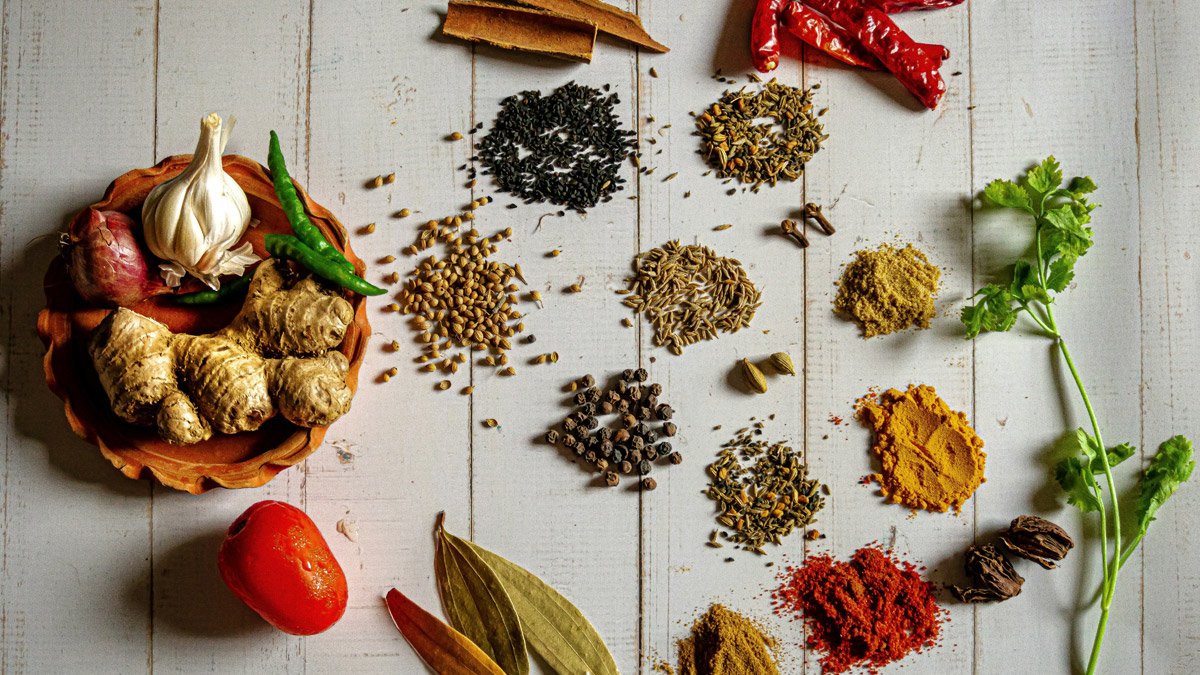
Every great Indian meal starts with a single, undeniable secret: the quality of the spices. Whether you are tempering mustard seeds for a comforting bowl of dal or roasting coriander for a rich weekend curry, spices form the soul of our everyday kitchen.
However, finding genuine, unadulterated spices in today’s crowded market can be challenging. Many home cooks struggle with spices that look beautiful on the shelf but deliver flat flavors in the pan. Worse, some markets are flooded with products containing artificial colors, chalk powder, or even sawdust.
If you want to ensure your family enjoys authentic flavors, learning how to identify real spices is an essential kitchen skill. In this guide, we will walk you through simple, practical ways to spot pure, premium quality spices before you bring them into your home.
Quick Answer
To identify pure and premium quality spices, focus on three things: color, aroma, and texture. Pure spices generally have a natural, slightly dull, and earthy color rather than a neon or artificially bright appearance. When rubbed between your fingers, they should release a strong, natural aroma without leaving chemical dyes on your skin. Always look for uniform shape and a clean texture free of dust, small stones, or excessive broken pieces.
Quick Tips for Buying Spices
- Look for uniform size: Premium spices are usually sorted well, meaning the seeds will be mostly uniform in size and shape.
- Avoid unnaturally bright colors: Artificial dyes are often used to make old spices look fresh. Natural spices have an earthy, grounded tone.
- Check the bottom of the packet: If you see a lot of fine dust or powder settling at the bottom of a whole spice packet, it may indicate old stock or insect damage.
- Trust your nose: The aroma should be distinct and natural. A lack of smell means the oils have dried up, while a chemical smell indicates tampering.
Why Pure Spices Matter for Your Family
Using high-quality spices is not just about making your food taste better; it is about keeping your everyday kitchen safe and authentic. For generations, Indian families have relied on ingredients like cumin, coriander, and fenugreek. These spices are traditionally used in our daily diets for their natural properties and deep, comforting flavors.
When you use adulterated spices, you are not only compromising the taste of your food but potentially introducing unwanted artificial colors and fillers into your family’s meals. Investing a little extra time to choose premium quality essentials ensures that every pinch you add brings true value to your cooking.
How to Test Specific Whole Spices Before Buying
Different spices require different methods of inspection. Here is what you need to look out for when buying the most common everyday spices.
Coriander Seeds (Dhana)
Pure coriander seeds should be plump, lightweight, and have a greenish-brown to golden-brown hue. A common trick in the market is treating old coriander with sulfur to make it look bright green. If the seeds are unnaturally vibrant green, step away. Crush a few seeds in your palm; they should release a fresh, slightly citrusy, and warm aroma.
Cumin Seeds (Jeera)
Cumin is a staple in almost every Indian household. High-quality jeera has an earthy brown color and a rigid, elongated shape. Sometimes, fennel seeds or grass seeds are coated in charcoal dust to look like jeera. To test, rub a small pinch of cumin seeds vigorously between your palms. If your hands turn black, the cumin is likely coated with artificial coloring or dust.
Mustard Seeds (Rai / Sarson)
Mustard seeds are commonly known for their sharp, pungent kick. Pure black mustard seeds are never completely jet black; they usually have a slight reddish-brown tint mixed in. Check the texture—they should be completely smooth. If you notice a rough surface, you might be looking at argemone seeds, a common, low-quality adulterant.
Fenugreek (Methi) and Fennel (Saunf)
Methi seeds should have a warm, golden-yellow color and a hard, uniform square-like shape. Fennel seeds (saunf) naturally have a greenish-yellow tint. Be very careful with bright green fennel seeds, especially the ones sold as mouth fresheners, as they are frequently dyed with malachite green. Pure fennel looks slightly dull but smells incredibly sweet and aromatic.
Sesame Seeds (Til)
When buying white sesame seeds, look for a creamy, off-white color. If the seeds are stark, glowing white, they have likely been chemically bleached. Bleached sesame seeds lose many of the natural oils that give them their rich, nutty flavor.
Simple Home Tests for Spice Purity
If you have already bought spices and want to test them at home, try these simple kitchen experiments:
- The Water Test: Drop a spoonful of spices (like cumin or fennel) into a glass of plain water. Do not stir. Pure spices will settle or float without instantly changing the water’s color. If streaks of bright color start bleeding into the water immediately, the spices are dyed.
- The Palm Test: Take a few seeds and crush them hard between your palms using your thumb. Pure spices will leave a slight trace of natural oil and a beautiful fragrance on your skin.
Practical Tips for Everyday Home Cooks
- Buy Whole Instead of Ground: The easiest way to avoid adulteration is to buy whole spices. Powders are incredibly easy to mix with brick powder, sawdust, or colored starch. Buying whole spices and grinding them at home guarantees purity.
- Examine the Packaging: Always buy clearly labeled, properly sealed packets. Loose spices sold in open sacks look traditional, but they are highly susceptible to dust, moisture, and pests in the market air.
- Check the Harvest or Packing Date: Spices do not last forever. Essential oils dry up over time. Always check the packaging date to ensure you are getting fresh stock.
Expert Tips for Preserving Quality
Buying pure spices is only half the job; maintaining that quality in your kitchen is the other half. Even the most premium spices will lose their aroma if left in an open, damp environment. Always transfer your newly bought spices into airtight glass or steel containers. Keep them away from the direct heat of your stove and direct sunlight.
Comparison Table: Pure Spices vs. Adulterated Spices
| Feature | Pure & Premium Spices | Adulterated / Low-Quality Spices |
| Color | Natural, earthy, and slightly dull. | Unnaturally bright, neon, or glowing. |
| Aroma | Distinct, warm, and natural when crushed. | No smell, or smells like chemicals/musty. |
| Texture | Clean, uniform size, free of debris. | High amount of dust, twigs, or small stones. |
| Residue | Leaves natural oils on the skin. | Leaves artificial dye or black powder on hands. |
Common Mistakes When Buying Spices
- Judging quality by bright colors: Many consumers think brighter means fresher. In the spice world, excessively bright colors usually mean artificial dyes.
- Buying too much at once: Buying massive quantities might seem cheaper, but spices lose their potency over months. It is better to buy a fresh batch every few months than to store old spices for years.
- Ignoring the debris: If you have to spend ten minutes picking stones and twigs out of your coriander seeds, you have overpaid for low-quality sorting.
Key Takeaways
- Always prioritize whole spices over pre-ground powders to ensure maximum purity.
- Natural spices are earthy in color; avoid neon green fennel or jet black cumin.
- Use the palm rub test and the water test to check for artificial dyes and coatings.
- Proper sorting matters—premium spices should not have excessive dust, twigs, or stones in the packet.
- Properly sealed packaging protects spices from market moisture and contamination.
Frequently Asked Questions
How can I tell if my spices have expired?
While whole spices do not “spoil” like fresh food, they lose their essential oils. If you crush a seed between your fingers and cannot smell anything, or if the color has turned completely grey and ashy, it is time to replace them.
Is it better to buy whole spices or ground spices?
Whole spices are always the better choice for everyday home cooks. They retain their natural oils and flavors much longer than ground spices and are significantly harder for dishonest sellers to adulterate.
Why do some premium spices look dull?
Mother Nature rarely creates neon colors in dried seeds. The drying process naturally mutes the colors of agricultural products. A slightly dull, earthy tone is actually a great indicator that the spice has not been artificially dyed.
About VaadiFresh
At VaadiFresh, we believe that real flavor starts with honest sourcing. We provide trusted everyday kitchen essentials, specializing in carefully packed whole spices, seeds, pulses, and grains. Our products—including everyday staples like coriander, cumin, mustard, fenugreek, fennel, and sesame—are responsibly sourced from trusted markets and experienced farmers. With our quality-focused sourcing, we are dedicated to helping families make informed food choices by bringing pure, unadulterated, and naturally flavorful ingredients straight to your kitchen.
Need Help Choosing Quality Products?
Building a pantry full of premium, pure ingredients shouldn’t be complicated. If you need practical kitchen knowledge on selecting the right spices for your home, or if you have questions about our carefully packed products, we are here to help.
Feel free to contact the VaadiFresh team for product-related assistance. If you are a retailer or restaurant owner looking for premium quality ingredients, please visit our Bulk Orders page for wholesale enquiries.