

Introduction
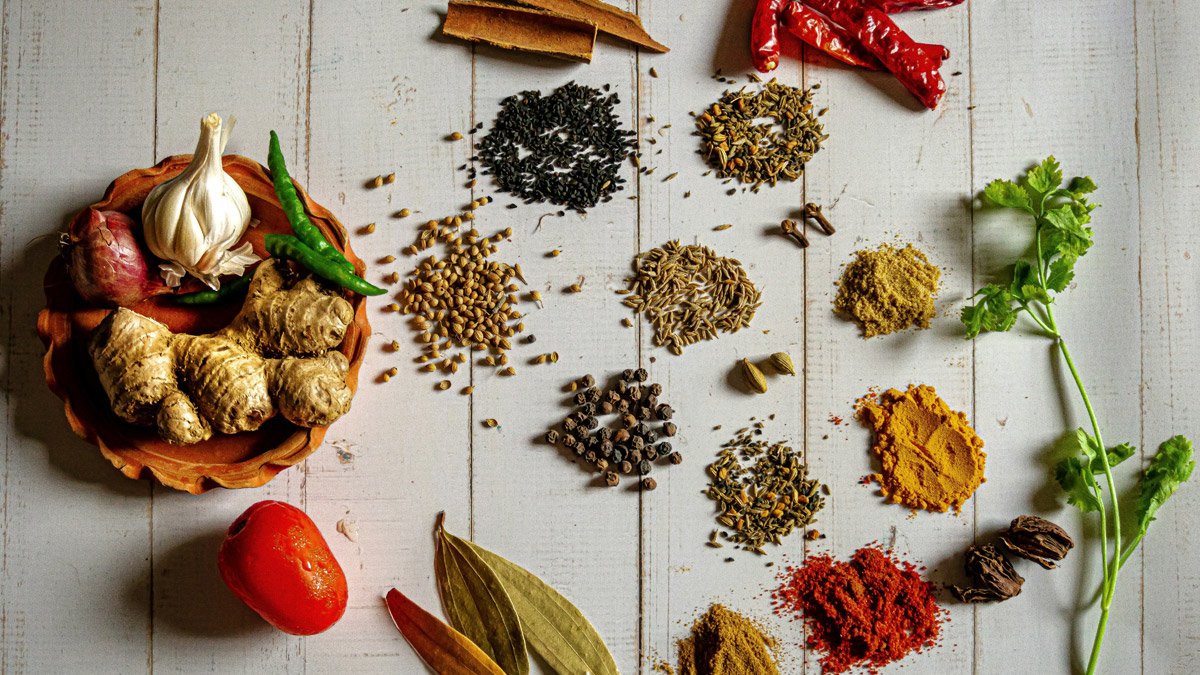
Whole spices are the undisputed foundation of authentic Indian cooking. Whether it is the earthy warmth of cumin seeds, the citrusy hint of coriander seeds, the pungent pop of mustard seeds, the slight bitterness of fenugreek seeds, or the nutty crunch of sesame seeds, these tiny ingredients carry immense culinary power. Buying whole spices instead of pre-ground powders is the first step toward elevating your daily meals, as whole spices naturally lock in their essential oils and flavors until the moment they are crushed or roasted.
However, even the highest-quality spices can gradually lose their magic when exposed to the harsh environment of a busy kitchen. Heat, moisture, and direct sunlight can quickly degrade their essential oils, turning once-vibrant ingredients into dull, flavorless seeds. Fortunately, protecting your investment does not require expensive equipment. A few simple, mindful storage practices can help keep your everyday Indian spices in pristine condition for a much longer period, ensuring that every pinch delivers the maximum burst of aroma and taste.
Why Proper Storage Matters
To understand why storage is so critical, it helps to know what makes spices flavorful in the first place. Whole spices naturally contain volatile aromatic compounds and essential oils. These oils are delicate; they are the exact elements that give cumin its smokiness and coriander its floral scent. Improper storage allows these compounds to evaporate or break down.
Implementing proper storage habits provides several key benefits:
- Maintains Natural Aroma: Keeps the volatile essential oils trapped inside the seed until you are ready to cook.
- Preserves Appearance and Color: Prevents fading, ensuring your spices look as fresh and vibrant as the day you bought them.
- Reduces Exposure to Moisture: Prevents clumping, mold growth, and premature spoilage, which is especially important during monsoon seasons.
- Maximizes Shelf Life: Keeps your spices clean, potent, and usable for many months, saving you money by reducing kitchen waste.
The Three Biggest Enemies of Spices
If you want your whole spices to last, you must fiercely protect them from their three primary enemies. Understanding how these elements affect your pantry will completely change the way you organize your kitchen.
1. Moisture
Moisture is arguably the most destructive force when it comes to spice storage. Spices are naturally dry, which means they are highly hygroscopic—they actively absorb moisture from the air around them. When whole spices absorb water, it alters their texture, dilutes their flavor, and creates a breeding ground for mold and bacteria.
To avoid moisture damage:
- Never use a wet or damp spoon to scoop out your spices.
- Avoid opening your main spice jars directly over a boiling pot, as the rising steam will instantly enter the container.
- Ensure jars are completely bone-dry after washing before refilling them with fresh stock.
2. Heat
Excessive heat forces the essential oils within the spices to sweat and evaporate prematurely. If your spices are constantly subjected to high temperatures, they will lose their signature punch, requiring you to use double the amount in your recipes just to achieve the same flavor profile.
To avoid heat damage, never store spices:
- On a shelf directly above or immediately next to your gas stove.
- On top of the microwave, oven, or refrigerator (which generates ambient heat from its condenser coils).
- Near dishwashers or other heat-producing kitchen appliances.
3. Direct Sunlight
While a row of beautifully filled glass jars might look aesthetically pleasing on a kitchen windowsill, it is a recipe for disaster. Ultraviolet (UV) rays from direct sunlight cause photo-oxidation. This chemical reaction breaks down the vibrant natural colors of the spices and severely degrades their flavor profile.
To avoid light damage, store spices in:
- Closed, opaque kitchen cabinets.
- Deep pantry drawers.
- Cool, dry, and dark locations that maintain a consistent room temperature.
Best Containers for Whole Spices
The environment inside the container is just as important as where you place it. To create a safe haven for your ingredients, you need containers that create an absolute barrier against the outside world.
- Airtight Glass Jars: Glass is non-porous, meaning it will not absorb odors from the spices, nor will it let outside air in. Jars with rubber gaskets and clamp-down lids are excellent for creating a perfect seal.
- High-Quality Stainless Steel: The traditional Indian Masala Dabba (spice box) is brilliant for everyday use, provided it has a tight-fitting inner lid. For bulk storage, heavy-duty stainless steel containers offer the added benefit of blocking out 100% of the light.
- Food-Grade Storage Containers: If you must use plastic, ensure it is BPA-free, hard, and strictly food-grade. However, keep in mind that plastic can become stained over time and may absorb strong odors.
Tips for Storing Common Indian Spices
Every spice has its own unique characteristics. Here is how to handle the foundational spices found in every Indian kitchen:
Cumin Seeds (Jeera)
Cumin is the workhorse of Indian tempering (tadka). Because it is used so frequently, it is often kept too close to the stove. Keep your bulk supply of jeera in an airtight glass jar in a dark cabinet. Pro-Tip: For an instant flavor boost, dry-roast a small batch of cumin seeds on a low flame, let them cool completely, and store them in a separate jar. The roasted seeds will stay aromatic for weeks and are perfect for sprinkling over raita or buttermilk.
Coriander Seeds (Dhania)
Coriander seeds have a delicate, citrus-like aroma that fades quickly if crushed too early. Always store dhania as whole seeds rather than buying pre-made powder. Keep them intact in a cool, dry place and use a mortar and pestle to coarsely crush only the amount you need right before adding it to your cooking.
Mustard Seeds (Sarson / Rai)
The sharp, pungent kick of black or yellow mustard seeds is activated by heat. However, if they are exposed to moisture during storage, they lose their ability to pop and release their flavor in hot oil. Store sarson in a strictly dry environment, and if you live in a highly humid coastal area, consider placing a few grains of raw rice at the bottom of the container to absorb excess ambient moisture.
Fenugreek Seeds (Methi)
Methi seeds are intensely aromatic and slightly bitter, making them a powerful flavoring agent in curries and pickles. Because their odor is so strong, they can actually influence the flavor of milder ingredients stored nearby. Keep fenugreek seeds tightly sealed in their own dedicated container, away from delicate items like tea leaves or baking supplies.
Sesame Seeds (Til)
Unlike completely dry spices, sesame seeds (both black and white) have a naturally high oil content. This makes them highly susceptible to turning rancid if kept in a hot environment for too long. For short-term use, an airtight jar in the pantry is fine. However, if you buy sesame seeds in bulk, it is highly recommended to store the excess stock in the refrigerator or freezer to preserve their natural oils and crunch.
The Sourcing Advantage: Why Farm-Sourced Matters
It is important to remember that storage techniques can only preserve the quality that is already there; they cannot improve a poor-quality product. Commercially processed spices that sit in warehouses for months before reaching supermarket shelves have already lost a significant portion of their essential oils.
When you start with pure, unadulterated whole spices sourced directly from farmers, you are starting with a product that is naturally robust. Carefully sourced whole spices can help preserve their natural aroma and characteristics when handled and stored properly. Choosing pure quality from the beginning ensures your storage efforts actually pay off in flavor.
Common Storage Mistakes to Avoid
- Using Wet Spoons: Introducing even a drop of water can ruin an entire jar.
- Leaving Packets Open: Rolling up the plastic packaging and securing it with a rubber band is not an airtight solution. Always transfer spices to proper jars.
- Storing Near Cooking Steam: Keep your spice rack away from the kettle, rice cooker, and stove.
- Ignoring the First-In, First-Out Rule: Never pour new, fresh spices directly on top of older spices. Empty the jar, clean it, use the old stock first, and then introduce the new batch.
Conclusion
Proper storage is undoubtedly one of the simplest and most effective ways to maintain the unparalleled quality of whole Indian spices. By consciously protecting your ingredients from the damaging effects of moisture, heat, and direct sunlight, you preserve their natural aroma and freshness. A well-organized, cool, and dry spice cabinet doesn’t just look good—it is the secret behind every incredibly flavorful, aromatic dish you cook for your family. And when you start with high-quality, farm-sourced ingredients like those from VaadiFresh, maintaining that perfect flavor becomes even easier.
Frequently Asked Questions (FAQ)
How long do whole spices stay fresh?
Shelf life can vary depending on the spice type and storage conditions. Proper storage helps maintain quality for longer periods. Generally, whole spices retain their natural characteristics much longer than pre-ground spices.
Should everyday spices be refrigerated?
Most household spices, like cumin, coriander, and mustard seeds, do not need refrigeration and thrive in a cool, dry pantry. However, spices with high natural oil content, such as sesame seeds or poppy seeds, can benefit from refrigeration if you are storing them in large, bulk quantities.
Are glass jars the best option for storing spices?
Yes, high-quality, airtight glass jars are widely considered the best option. Glass is completely non-porous, meaning it will not absorb the strong smells of the spices, it blocks moisture effectively, and it allows you to easily see when you need to restock.
Why is it better to buy whole spices instead of ground powders?
Whole spices act as a natural protective shell for the flavorful essential oils inside. Ground spices have a massive amount of surface area exposed to the air, causing their volatile oils to evaporate more quickly. Buying whole spices and grinding them at home helps guarantee maximum freshness in your cooking.